
The Four Movements That Build Strong Churches

There's something profound about watching a house being built. For weeks, nothing seems to happen except work on the foundation. No walls rise. No windows gleam. Just concrete, footings, and patient labor on something no one will ever see once the house is finished.
Yet every builder knows the truth: everything depends on that foundation. Rush it, compromise it, or skip steps, and eventually the whole structure will show the damage. Cracks will appear. Doors won't close properly. What looked beautiful on the surface will require endless repairs.
The same principle applies to building healthy churches. There's a pattern, a rhythm to faithful ministry that we see throughout Scripture. It's not complicated, but it is essential. Like the construction of a house, each phase builds on what came before, creating something stable that can withstand the storms.
Yet every builder knows the truth: everything depends on that foundation. Rush it, compromise it, or skip steps, and eventually the whole structure will show the damage. Cracks will appear. Doors won't close properly. What looked beautiful on the surface will require endless repairs.
The same principle applies to building healthy churches. There's a pattern, a rhythm to faithful ministry that we see throughout Scripture. It's not complicated, but it is essential. Like the construction of a house, each phase builds on what came before, creating something stable that can withstand the storms.
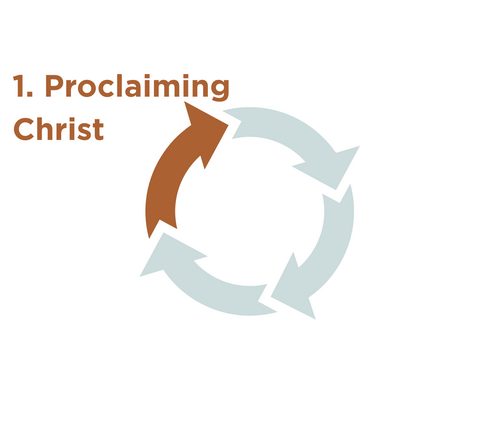
First Movement: Proclaiming Christ
Everything begins with proclamation. Before there are mature disciples, before leaders emerge, before there are stories of transformation to celebrate, there must be a clear announcement of the gospel.
The book of Acts shows us this priority again and again. When Paul and Barnabas entered a new city, they preached the gospel. They didn't assume people already knew. They didn't soften the message or innovate around it. They simply proclaimed Christ where He was not yet known.
Paul would later write to the Romans with a series of penetrating questions: "How then will they call on him in whom they have not believed? And how are they to believe in him of whom they have never heard? And how are they to hear without someone preaching?"
The logic is inescapable. Faith begins with hearing, and hearing comes through preaching. If the message is never spoken, nothing else can move forward. Discipleship stalls before it starts. Leadership never develops. The mission never advances.
What exactly should be preached? Paul was crystal clear: "We preach Christ crucified." The content is forgiveness and justification through Jesus. Freedom from everything the law could never accomplish. This is the foundation on which everything else must rest.
Faithful ministry never outgrows the need to clearly proclaim Christ. No matter how established a church becomes, no matter how many programs it develops or how sophisticated its discipleship systems grow, the gospel must remain central. Everything we hope to build stands or falls on this foundation.
The book of Acts shows us this priority again and again. When Paul and Barnabas entered a new city, they preached the gospel. They didn't assume people already knew. They didn't soften the message or innovate around it. They simply proclaimed Christ where He was not yet known.
Paul would later write to the Romans with a series of penetrating questions: "How then will they call on him in whom they have not believed? And how are they to believe in him of whom they have never heard? And how are they to hear without someone preaching?"
The logic is inescapable. Faith begins with hearing, and hearing comes through preaching. If the message is never spoken, nothing else can move forward. Discipleship stalls before it starts. Leadership never develops. The mission never advances.
What exactly should be preached? Paul was crystal clear: "We preach Christ crucified." The content is forgiveness and justification through Jesus. Freedom from everything the law could never accomplish. This is the foundation on which everything else must rest.
Faithful ministry never outgrows the need to clearly proclaim Christ. No matter how established a church becomes, no matter how many programs it develops or how sophisticated its discipleship systems grow, the gospel must remain central. Everything we hope to build stands or falls on this foundation.
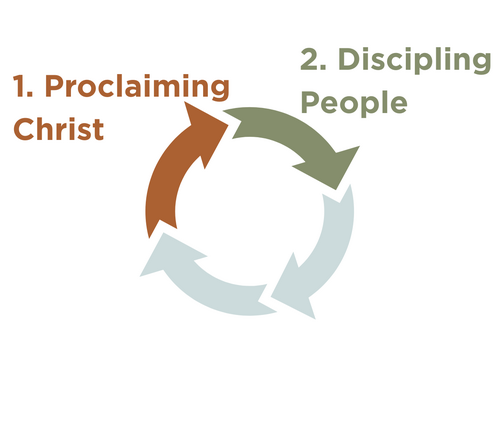
Second Movement: Discipling People
Here's where many churches stumble. They celebrate conversions—as they should—but then treat spiritual birth as if it were graduation rather than the beginning of a long journey.
Imagine celebrating a baby's birth at the hospital, filling out the birth certificate, and then saying, "Our work here is done." We'd immediately recognize the absurdity. That child needs to be fed, protected, taught, corrected, and encouraged to grow. Birth is glorious, but it's not completion.
When someone comes to faith in Christ, they experience spiritual birth. But they don't yet know how to pray, how to read Scripture, how to stand firm under pressure, or how to endure hardship. They need strengthening and encouragement. They need mature believers to walk patiently alongside them.
This is why Paul and Barnabas retraced their steps after their missionary journey. They returned to the new believers, strengthening their souls and encouraging them to continue in the faith. They didn't mistake conversion for completion because they understood that healthy growth doesn't happen by accident.
Jesus Himself commanded this in the Great Commission: "Go therefore and make disciples of all nations, baptizing them... teaching them to observe all that I have commanded you." Notice the progression—baptizing and teaching. The work includes both welcoming people into the faith and helping them grow in obedience.
Paul wrote to the Colossians about proclaiming Christ, "warning everyone and teaching everyone with all wisdom, that we may present everyone mature in Christ." Spiritual maturity is the goal, and it requires intentional investment.
Part of this discipleship includes preparing believers for reality. The Christian life is not a smooth path to comfort and prosperity. Paul and Barnabas told new believers plainly: "Through many tribulations we must enter the kingdom of God." As Paul would later write to Timothy, "All who desire to live a godly life in Christ Jesus will be persecuted."
Healthy discipleship doesn't hide the cost of following Jesus. It strengthens people to endure.
Imagine celebrating a baby's birth at the hospital, filling out the birth certificate, and then saying, "Our work here is done." We'd immediately recognize the absurdity. That child needs to be fed, protected, taught, corrected, and encouraged to grow. Birth is glorious, but it's not completion.
When someone comes to faith in Christ, they experience spiritual birth. But they don't yet know how to pray, how to read Scripture, how to stand firm under pressure, or how to endure hardship. They need strengthening and encouragement. They need mature believers to walk patiently alongside them.
This is why Paul and Barnabas retraced their steps after their missionary journey. They returned to the new believers, strengthening their souls and encouraging them to continue in the faith. They didn't mistake conversion for completion because they understood that healthy growth doesn't happen by accident.
Jesus Himself commanded this in the Great Commission: "Go therefore and make disciples of all nations, baptizing them... teaching them to observe all that I have commanded you." Notice the progression—baptizing and teaching. The work includes both welcoming people into the faith and helping them grow in obedience.
Paul wrote to the Colossians about proclaiming Christ, "warning everyone and teaching everyone with all wisdom, that we may present everyone mature in Christ." Spiritual maturity is the goal, and it requires intentional investment.
Part of this discipleship includes preparing believers for reality. The Christian life is not a smooth path to comfort and prosperity. Paul and Barnabas told new believers plainly: "Through many tribulations we must enter the kingdom of God." As Paul would later write to Timothy, "All who desire to live a godly life in Christ Jesus will be persecuted."
Healthy discipleship doesn't hide the cost of following Jesus. It strengthens people to endure.
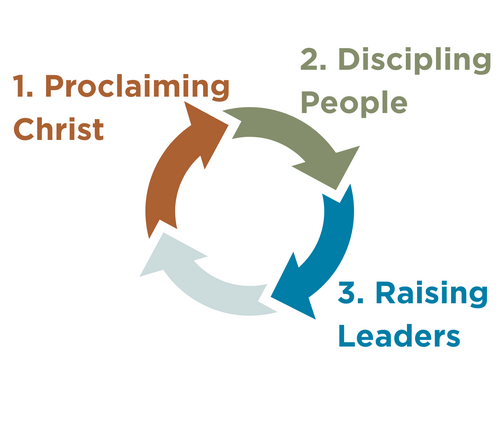
Third Movement: Raising Leaders
Healthy churches require godly leadership. This isn't optional or secondary—it's essential to the church's long-term health and stability.
After proclaiming the gospel and strengthening new believers, Paul and Barnabas appointed elders in every church. They didn't leave these young congregations to figure out leadership on their own. They intentionally raised leaders from within the local body and entrusted both the leaders and the congregations to God's care.
Paul would later instruct Titus: "This is why I left you in Crete, so that you might put what remained into order, and appoint elders in every town as I directed you." Churches are incomplete without qualified elders to shepherd them.
The model for leadership development is clear in Paul's instruction to Timothy: "What you have heard from me in the presence of many witnesses entrust to faithful men, who will be able to teach others also." Notice the multiplication—faithful people are entrusted with truth so they can teach others, who will teach still others.
These leaders serve as shepherds, appointed to care for God's church. They pay careful attention to themselves and to the flock, protecting what God purchased with His own blood.
Leadership development takes time. It shouldn't be rushed. But it also shouldn't be neglected. Without godly leaders, churches drift, believers remain immature, and the mission loses momentum.
After proclaiming the gospel and strengthening new believers, Paul and Barnabas appointed elders in every church. They didn't leave these young congregations to figure out leadership on their own. They intentionally raised leaders from within the local body and entrusted both the leaders and the congregations to God's care.
Paul would later instruct Titus: "This is why I left you in Crete, so that you might put what remained into order, and appoint elders in every town as I directed you." Churches are incomplete without qualified elders to shepherd them.
The model for leadership development is clear in Paul's instruction to Timothy: "What you have heard from me in the presence of many witnesses entrust to faithful men, who will be able to teach others also." Notice the multiplication—faithful people are entrusted with truth so they can teach others, who will teach still others.
These leaders serve as shepherds, appointed to care for God's church. They pay careful attention to themselves and to the flock, protecting what God purchased with His own blood.
Leadership development takes time. It shouldn't be rushed. But it also shouldn't be neglected. Without godly leaders, churches drift, believers remain immature, and the mission loses momentum.
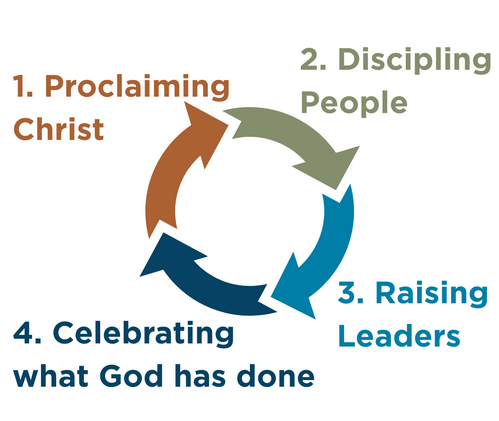
Fourth Movement: Celebrating What God Has Done
When Paul and Barnabas returned to their sending church in Antioch, they gathered everyone together and "declared all that God had done with them, and how he had opened a door of faith to the Gentiles."
Notice the focus. They didn't spotlight their own perseverance, their strategy, or even their suffering. They told stories of God's work—doors He opened, hearts He changed, people He sustained.
This celebration wasn't self-congratulation. It was testimony, encouragement, and worship. The psalmist captures this spirit: "Come and hear... and I will tell what He has done for my soul."
Paul understood this principle deeply. He wrote to the Corinthians: "I planted, Apollos watered, but God gave the growth. So neither he who plants nor he who waters is anything, but only God who gives the growth."
When churches gather to celebrate, they're reminded of who deserves the glory. They're encouraged by seeing God's faithfulness. And they're strengthened to go back out and continue the work.
Notice the focus. They didn't spotlight their own perseverance, their strategy, or even their suffering. They told stories of God's work—doors He opened, hearts He changed, people He sustained.
This celebration wasn't self-congratulation. It was testimony, encouragement, and worship. The psalmist captures this spirit: "Come and hear... and I will tell what He has done for my soul."
Paul understood this principle deeply. He wrote to the Corinthians: "I planted, Apollos watered, but God gave the growth. So neither he who plants nor he who waters is anything, but only God who gives the growth."
When churches gather to celebrate, they're reminded of who deserves the glory. They're encouraged by seeing God's faithfulness. And they're strengthened to go back out and continue the work.
The Rhythm Continues
These four movements create a circular pattern. Celebration doesn't end the cycle—it sends us forward again to proclaim Christ, form disciples, equip leaders, and watch God work.
This rhythm isn't just historical. It's what the Spirit is doing in His church today. The invitation remains: respond to the gospel, grow in Christ, help others grow in Him, and celebrate what God is doing.
Everything starts with the foundation. And that foundation is always Christ.
This rhythm isn't just historical. It's what the Spirit is doing in His church today. The invitation remains: respond to the gospel, grow in Christ, help others grow in Him, and celebrate what God is doing.
Everything starts with the foundation. And that foundation is always Christ.
Recent
Archive
2026
2025
September
October
November
The Sweet Smell of Salvation: Finding Hope in Jonah's StoryWhen Light Confronts Darkness: Positioning Ourselves for God's MissionThe Unstoppable Movement: Four Rhythms That Carry the Gospel ForwardThe Uncomfortable Question: Will You Bless or Be Cursed?Getting Back Up: The Courage to Keep Preaching When Everything Falls ApartWatch and See: When God's Patience Reaches Its Appointed End
No Comments